
Catholic Chaplet
Catholic Chaplet
A Catholic chaplet is a small thing to hold, but for many of us it quietly shapes our days. It rests in a pocket, on a nightstand, in a car console, and somehow reminds us that prayer can fit into the ordinary corners of life.
This page contains affiliate links. If you click and buy, I may earn a commission at no extra cost to you.
I want to lookWhat a Catholic chaplet really is in daily life
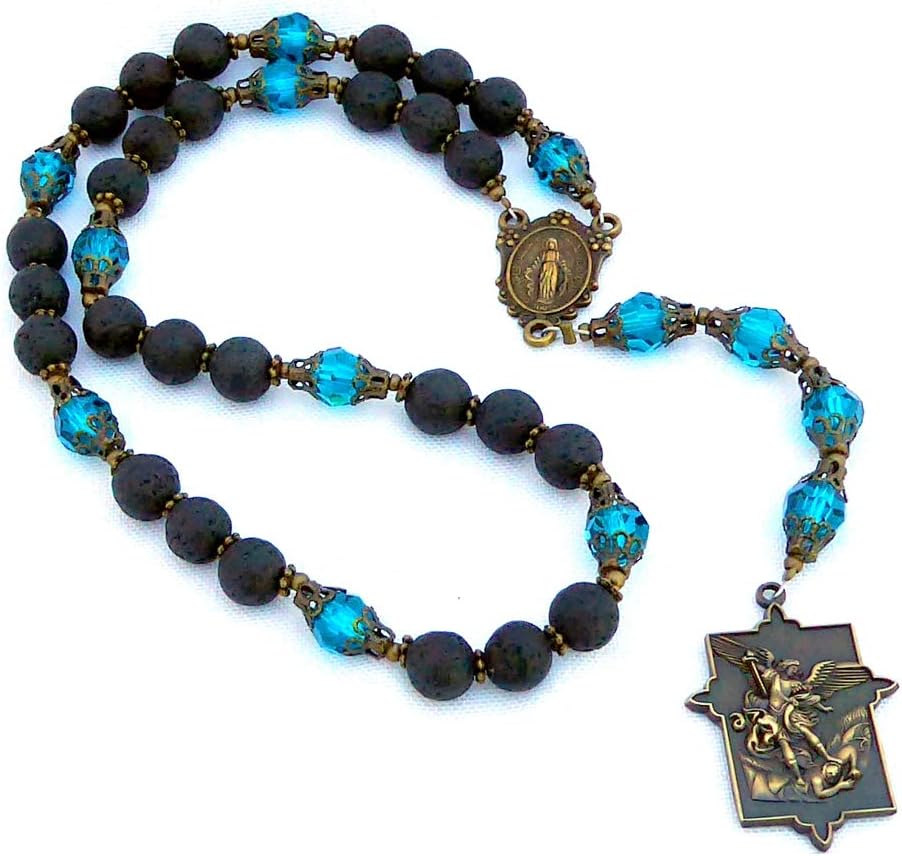
When people talk about a Catholic chaplet, they sometimes think of something complicated or very “churchy.” In real life, it is often much simpler. It is a string of beads, usually with a small medal or crucifix, that helps you keep track of short prayers. You can carry it in your hand, slip it in your pocket, or keep it by your bed.
For me, a chaplet has always felt like a quiet reminder that God can be welcomed into small moments. I have used mine while waiting in the car pick-up line, walking around the block after dinner, or sitting in the living room with a cup of coffee before anyone else wakes up. The beads give my hands something to do, so my mind can stay a little more focused on praying.
There are many kinds of chaplets. Some follow well-known prayers like the Divine Mercy. Others focus on particular saints, or on the Holy Spirit, or on specific mysteries in the life of Jesus and Mary. The pattern of the beads usually matches a particular set of prayers, but the heart of it is simple: a gentle, steady way of talking with God.
I have noticed over the years that I reach for my Catholic chaplet most when words feel difficult. On anxious evenings or long, tired days, I do not always know what to say. The chaplet lets me lean on familiar prayers and just rest in them, bead by bead.
A small tool for a steady heart
Many Catholics in the United States live busy, noisy lives. Jobs, families, phones, and constant news make it hard to be still. A chaplet does not fix any of that, and it is not meant to. But it can give you a small, concrete way to pause, breathe, and remember you are not alone.
I keep one chaplet on my bedside table. On nights when I cannot sleep, instead of scrolling my phone, I reach for the beads. Just tracing them slowly, one by one, helps my mind quiet down. Sometimes I finish all the prayers; sometimes I do not. Either way, the simple act of holding it helps me turn my thoughts gently back to God.
Different kinds of Catholic chaplets and how they fit into prayer
There is not just one “official” Catholic chaplet. There are many patterns that have grown out of Catholic tradition and popular devotion. Some are short and can be prayed in a few minutes. Others are longer and might become part of a regular daily routine.
One of the most familiar is the Divine Mercy chaplet. It uses a pattern of prayers focused on trust in God’s mercy, often prayed at three o’clock in the afternoon or whenever someone has a moment of quiet. Another kind is a saint chaplet, which uses repeated prayers to ask for the prayers of a particular saint and to remember how they lived.
A Catholic chaplet can also be very simple. Some designs have just a few beads, meant for slowly repeating short phrases, like “Jesus, I trust in You,” or “Sacred Heart of Jesus, have mercy on us.” These short, steady prayers can fit into morning walks, lunchtime breaks, or a brief pause at your desk.
Over time, many people find that certain chaplets seem to “match” a season of their life. When a friend of mine was grieving, she was drawn to a chaplet focused on the sorrowful mysteries. When I went through a time of uncertainty at work, I kept returning to a simple chaplet of trust. The beads did not change our situations, but they helped us lean into prayer instead of anxiety.
However you use it, the chaplet is not a magic object and it is not a shortcut. It is more like a path you walk over and over. The more you walk it, the more natural it feels to turn your heart toward God throughout the day.
How to choose a chaplet that feels right for you
When you look at different chaplets, it can be a little overwhelming. There are so many designs, colors, metals, and devotions. If you are anything like me, you may wonder, “Which one am I supposed to pick?” Over the years I have learned that there is a lot of freedom here.
You might think first about how and where you plan to use your chaplet. If you will keep it in your pocket or bag, you might prefer something sturdy, with strong links and beads that will not chip easily. If it will mostly stay at home, you might not worry as much about durability and instead look for a style that draws your heart quietly toward prayer.
Size matters too. A small single-decade chaplet fits easily in a pocket or purse, and it is simple to hold in your hand while walking. A slightly larger chaplet with a medal or crucifix can be easier to feel in the dark when you reach for it at night.
Many people also feel drawn to certain materials. Wood beads feel warm and natural. Glass beads can catch the light in a gentle way. Metal or stone beads give a sense of weight. There is no “better” choice; it is more about what helps you stay present in prayer.
I remember the first time I chose a Catholic chaplet for myself. I kept picking up and setting down different ones, unsure. Finally I stopped asking, “Which one is best?” and simply asked, “Which one helps me want to pray?” That question made it easier. I chose a simple, dark-colored chaplet that felt comfortable in my hand. Years later, it is still the one I reach for most.


Using a Catholic chaplet at home, at work, and on the road
One of the gentle strengths of a chaplet is how flexible it is. You do not have to be in a church, and you do not need a lot of time. A few minutes here and there can be enough. The beads are simply there to help you stay rooted in prayer during those small pockets of quiet.
At home, you might keep your Catholic chaplet on your nightstand, by your favorite chair, or near a family prayer corner if you have one. Some people like to begin or end the day with a short chaplet, almost like putting the day into God’s hands. Others pick it up when the house finally grows quiet in the evening.
At work, the chaplet does not need to draw attention. It can sit quietly in a desk drawer or bag. During a lunch break, or after a tough meeting, you can step outside, walk for a few minutes, and move through a decade or a short set of prayers. I have done this more than once, especially on days when my mind felt scattered and I needed a simple way to re-center.
On the road, a chaplet can become a faithful companion. Some people loop one around their car’s rearview mirror as a reminder to pray, though it is important to keep it from blocking the driver’s view. Others keep a chaplet in the car console, ready for long drives, traffic jams, or waiting in a parking lot. In those in-between moments, you can slowly pray a chaplet instead of reaching for your phone out of habit.
One personal memory stands out for me. A few years ago, during a long drive to visit family, I felt unusually restless and worried. I picked up the Catholic chaplet I keep in the car and began praying it very slowly, bead by bead, in rhythm with my breathing. Nothing dramatic happened, but the drive felt less heavy, and I arrived calmer and more grounded.
Chaplets can also be a quiet support during waiting: in hospital corridors, in airports, in parking lots before difficult conversations. The steady pattern of prayers gives your mind and heart something gentle to rest on while you wait.
Caring for your chaplet with respect and simplicity
Because a Catholic chaplet is something we use in prayer, it makes sense to treat it with a certain respect. That does not mean being overly fearful about damaging it, but it does mean being mindful of where we leave it and how we use it.
At home, many people keep their chaplet in a small dish, on a prayer table, or in a drawer when it is not in use. Keeping it in the same place helps you find it easily, and it also expresses a quiet sense of gratitude for the role it plays in your prayer life.
If you carry your chaplet in a pocket or bag, you might consider placing it in a small pouch to protect it from keys and other sharp objects. Over time, any chaplet will show signs of being well used—slight wear on the beads, a bit of tarnish on the metal. I have come to see this gentle aging as a sign of many prayers prayed, rather than something to be ashamed of.
Cleaning a chaplet can be simple. A soft cloth is usually enough to wipe away dust or fingerprints. If you have a metal chaplet, mild care for the specific metal (like a gentle polishing cloth) may help it keep its appearance, but harsh chemicals are usually unnecessary and may damage delicate finishes.
If a chaplet breaks, it can feel surprisingly sad, especially if it has been with you for many years or through difficult times. Some people choose to repair it; others place the broken beads in a special spot rather than throwing them away carelessly. When one of my older chaplets finally broke, I kept the crucifix and a few beads in a small box as a reminder of all the times it had helped me turn to prayer.
Frequently asked questions about Catholic chaplets
Letting a Catholic chaplet quietly shape your days
If you are considering using a Catholic chaplet, it might help to think of it not as a task to complete, but as a simple companion in your spiritual life. You might not pray it every day at first. Some weeks you may use it often; others, it might sit untouched. That is all right. It will still be there, ready when you are.
Over time, keeping a chaplet near you can gently change how you move through your day. You may find yourself reaching for it when you wake up earlier than expected, or when you are worried about someone you love, or when your mind is spinning with questions you cannot answer. The beads give you something steady to hold while you bring those concerns quietly to God.
I have gone through seasons when my faith felt dry or distant. During one of those times, I almost stopped praying altogether. The one practice that remained was my evening Catholic chaplet. I would sit on the edge of my bed, feeling tired and somewhat numb, and simply move from bead to bead. I did not feel particularly holy or inspired. But looking back, I realize those small, steady prayers helped keep a door open in my heart.
A chaplet will not solve every problem, erase every worry, or give you clear answers to all of life’s questions. It is quieter than that. It simply supports you in showing up, again and again, before God in the middle of ordinary life. In that sense, a chaplet can be a humble but faithful companion on the long road of daily discipleship.
Whether you are just beginning to explore this kind of prayer or have been using chaplets for years, there is always room to grow more simple, more honest, and more trusting in the way you pray. The beads do not need to be fancy or impressive. What matters most is the heart that picks them up, one more time, and turns toward God with whatever words—or wordlessness—you have that day.