
Chaplet for the Dead
Chaplet For The Dead
A chaplet for the Dead is a simple set of beads meant to guide quiet prayer for those who have passed away. It is not a magical object or a guarantee of anything. It is more like a gentle reminder that our love and our prayers continue, even when words are hard to find.
Over the years, I have found that having a dedicated chaplet for the souls of the departed changes the way I move through grief. It gives my hands something to hold when my heart feels restless. I have prayed with mine late at night in the living room, in the car while waiting to pick up kids, and softly in the back pew before a funeral Mass.
This page looks at how a Chaplet for the Dead can fit into ordinary Catholic life in the United States: in family prayer, quiet moments alone, and parish traditions. The focus is not on collecting religious items, but on using one simple tool with intention and respect.
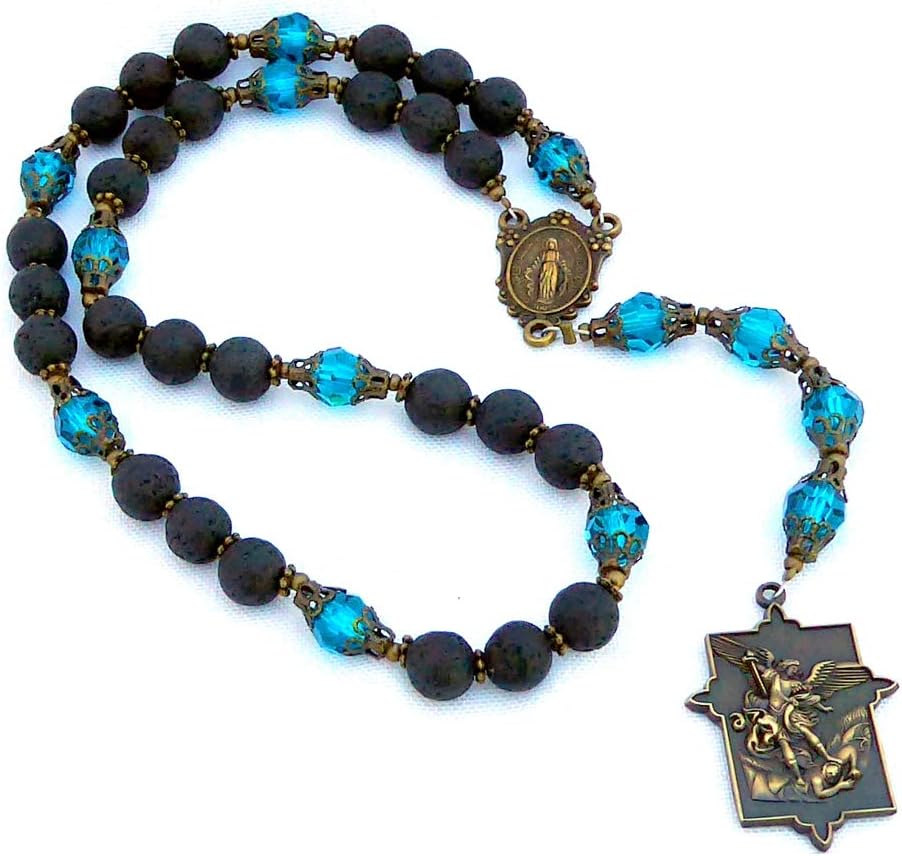
What a Chaplet for the Dead Means in Daily Life
Many Catholics already know the Rosary well, but a dedicated Chaplet for the Dead carries its own quiet focus. It gently centers the heart on prayer for those who have gone before us.
In my own home, this chaplet has become something I reach for almost without thinking. When I hear that a friend has lost a parent, or that someone at our parish has died, I often pause later that day and pray a short set of beads for them. It is not dramatic or emotional. It is usually very simple: a name, a short prayer, and a sense of placing them into God’s hands.
The beads themselves do not need to be elaborate. What matters is that they are set aside for this purpose. Over time, that intention settles into the chaplet. Just picking it up can remind you to pray for souls you might otherwise forget: a distant relative, a neighbor from years ago, someone you knew in college, or a priest who served your parish.
A Chaplet for the Dead can also help when grief is fresh. In the days after a funeral, many of us feel scattered. There are calls to return, paperwork to handle, and a quiet emptiness in ordinary routines. The chaplet can be a small anchor in that season, letting you sit with the Lord for a few minutes each day without needing to search for words.
Using a Chaplet for the Dead at Home
In most American households, schedules are full and quiet time is hard to find. A chaplet can fit into the margins of the day without needing a long, complicated routine. Many people like to keep it:
- In a small dish or basket near a family prayer corner
- Next to a framed photo of deceased loved ones
- In a nightstand drawer for prayer before bed
- In a work bag or purse for short pauses during the day
At home, you might pray the Chaplet for the Dead:
- After hearing about someone’s death on the news or at church
- On anniversaries of passing, like a parent’s or grandparent’s date of death
- During November, the month dedicated to praying for the dead
- When old memories come unexpectedly and stir up grief again
Some families like to light a simple candle and place the chaplet beside it when praying together for a deceased relative. Others may prefer to pray individually, quietly in their own room. There is no one “right” way. The chaplet is simply there to guide the heart toward God in a gentle, steady rhythm.
If you live alone, the Chaplet for the Dead can become a small way of staying connected with the Communion of Saints. Naming the departed out loud, even in a whisper, can ease the sense of isolation. You are not talking “to” them as if they were still on earth, but simply remembering them before God, trusting that His mercy is bigger than your thoughts and feelings.
When I moved away from my hometown, I started using my chaplet more for people I could not be physically close to—an old neighbor, the mother of a childhood friend, a distant cousin. Often I would hear the news through a text message or social media, and then later that night I would take out the chaplet and pray for them by name. It felt like a small but real way of staying faithful to their memory.
Praying for the Dead in Parish and Community Life
A chaplet is not limited to private devotion. It can quietly travel with you to Mass, Adoration, wakes, and funerals, supporting the prayer of your local parish community.
Many Catholics like to keep a Chaplet for the Dead in a pocket or small pouch when attending a wake or rosary service. It can be comforting simply to hold the beads while others are leading communal prayers. There is no need to draw attention to yourself or make a display of it. The chaplet rests quietly in your hand while your heart joins the common prayer.
During Eucharistic Adoration, some people find that using this chaplet helps them stay focused when they wish to spend part of the hour praying for the departed. One set of beads might be offered for a family member, another for those who have no one to pray for them, another for the faithful departed of your parish.
In November, many parishes in the United States set out a Book of the Dead or have special envelopes for listing deceased loved ones. Bringing your chaplet to these Masses can help you carry those names more intentionally. You might write them in the book at church, and then later at home slowly go through them again, bead by bead, in quiet prayer.
Design and Features: What to Notice in a Chaplet for the Dead
While the heart of prayer is spiritual, the practical details still matter. A well-chosen chaplet is comfortable in the hand, durable enough for daily use, and visually simple enough to invite recollection rather than distraction.


When looking at a Chaplet for the Dead, a few aspects are especially helpful for regular devotional use:
- Bead size: Beads that are not too tiny and not too large usually feel best between the fingers. Medium beads are easier to move one by one, especially during longer prayers.
- Texture: Smooth beads glide gently, while slightly faceted ones give a small tactile cue as you move along. Both can work well; it depends on what helps you stay attentive.
- Color tone: Many chaplets for the dead use darker or more muted colors, which can reflect the solemn nature of the prayers. At the same time, a hint of light or warmth in the design can remind us of Christian hope.
- Centerpiece or medal: A small crucifix or medal of Christ, Our Lady, or a saint connected to the souls in purgatory can offer a natural focus point as you pray.
- Chain quality: For frequent use, it is worth having sturdy links or a strong cord so that the chaplet holds up over time in a pocket, purse, or car console.
I have found that the chaplets I actually use are the ones that feel calm and balanced in the hand. If the design is very bright or busy, I tend to get distracted. When the colors are simple and the crucifix is clear and reverent, it is easier to keep my attention on the Lord and on the people I’m remembering.
Gentle Ways to Incorporate the Chaplet for the Dead into Your Routine
For many Catholics, the key is not adding a heavy new obligation, but folding prayer for the dead into moments that are already part of the day.
Short moments of prayer
The Chaplet for the Dead can be prayed in full, but it can also be used in shorter portions when time is tight. You might:
- Pray a few beads while waiting in the school pickup line
- Offer one set for a particular person during a lunch break
- Use it for a brief prayer after doing the dishes in the evening
- Pray it quietly in the car before going into a wake or funeral home
In my own life, one pattern that has stayed with me is praying for the dead on Friday evenings. It started almost accidentally—one night I found myself thinking about relatives and friends who had died, and I prayed the chaplet before bed. The next Friday, the thought came back, and I did the same. Over time, Friday night quietly became “my” time to remember the departed, without any formal plan.
Family traditions and anniversaries
Many families have simple customs around the dates of loved ones’ deaths. A chaplet can deepen those traditions without making them complicated. For example:
- On the anniversary of a death, pray the chaplet as a family before or after dinner
- During the week leading up to All Souls’ Day, use the chaplet each night for different relatives
- Invite children, if they are comfortable, to name the people they want to remember as you go through the beads
Children often respond well to something they can hold. When my younger relatives first saw my Chaplet for the Dead, they were curious, asking whose names I prayed for. I explained in simple words that it helps me remember people who have gone to God, and that they can add names too. It became a quiet way to talk about death with honesty but also with faith.
Carrying the Chaplet in Times of Grief
In seasons of loss, the chaplet can be a small companion—something you can reach for when you do not know what else to do.
When grief is fresh, even a short prayer can feel heavy. The Chaplet for the Dead does not demand eloquent words or strong emotions. You can simply hold the crucifix, say the name of the person who has died, and rest there in silence. On other days, you may feel able to move through the full pattern of prayers.
I think of a close friend who lost a sibling unexpectedly. For weeks afterward, I kept the chaplet in my pocket almost every day. Whenever their name came into my mind—on a walk, in line at the grocery store, sitting in traffic—I would quietly take out the chaplet and pray a few beads. It became my way of walking with the family from a distance, especially after the funeral was over and life had moved on for everyone else.
The chaplet can also be a comfort when old grief surfaces years later: the sudden ache when seeing an old photograph, hearing a song, or visiting a familiar place. Instead of pushing the feeling away or sinking into it, you can gently let it turn into prayer through the beads in your hand.
More Views of a Chaplet for the Dead
Seeing a chaplet from different angles can help you imagine how it might feel in your own daily prayer—whether on a bedside table, in a prayer corner, or in the palm of your hand.


Frequently Asked Questions about the Chaplet for the Dead
1. How is a Chaplet for the Dead different from a regular Rosary?
A Chaplet for the Dead is usually arranged in a different pattern than a standard five-decade rosary. The prayers often focus more directly on asking God’s mercy and peace for the souls of the departed. The structure is simpler, and the number of beads may be smaller. Some people use both the rosary and a chaplet in their prayer life, each serving a slightly different purpose while pointing toward the same loving God.
2. Do I need a special chaplet to pray for the dead, or can I use any beads?
You can certainly pray for the dead without any beads at all, or by using whatever set of beads you already have. A dedicated Chaplet for the Dead is simply a tangible reminder with a structure that can help you stay focused. Many people appreciate having one chaplet set aside just for this intention, but it is not an obligation—only a gentle aid for the mind and heart.
3. Is there a “right” time or place to use the Chaplet for the Dead?
There is no single required time or place. Some people like to pray it in the evening before bed, others early in the morning, and others during a lunch break at work. It can be prayed at home, in a church, during Adoration, or in a cemetery while visiting a grave. The key is to approach it with reverence and sincerity, even if the moment is brief and the surroundings are ordinary.
4. What if I get distracted or feel nothing when I pray this chaplet?
Distractions are a normal part of prayer, and emotions often come and go. Holding the Chaplet for the Dead does not guarantee a certain feeling. Instead, it quietly supports the decision to show up before God with the names and memories of those who have died. Even when you feel dry, your simple act of faithfulness—moving bead by bead, repeating familiar words—is valuable. You can always bring your distractions honestly to God as part of the prayer itself.
5. Can I give a Chaplet for the Dead as a gift to someone who is grieving?
Many people find this to be a thoughtful and gentle gift, especially when it is accompanied by a handwritten note and the assurance of your prayers. It is usually best not to present it as something that will “fix” their grief or solve anything quickly, but rather as a small companion for the months and years ahead. When I have given a chaplet to someone in mourning, I simply say that it has helped me to remember and to pray, and that I hope it might offer them a quiet place for their own prayer in time.