
Infant of Prague Chaplet
For many Catholics, the Infant of Prague is a quiet reminder that Christ came among us small, close, and simple. The Infant of Prague Chaplet is one of those devotions that can fit gently into everyday life, without fanfare, helping us turn ordinary moments into times of trust and prayer.
I still remember the first time I prayed the Infant of Prague Chaplet during a very uncertain season in my work life. Nothing dramatic happened, but something in my heart settled. Holding the little beads in my hand, I found it easier to say, “Lord, I place this in Your hands,” and mean it. Since then, this chaplet has become a simple companion when I feel restless or worried about my family’s needs.
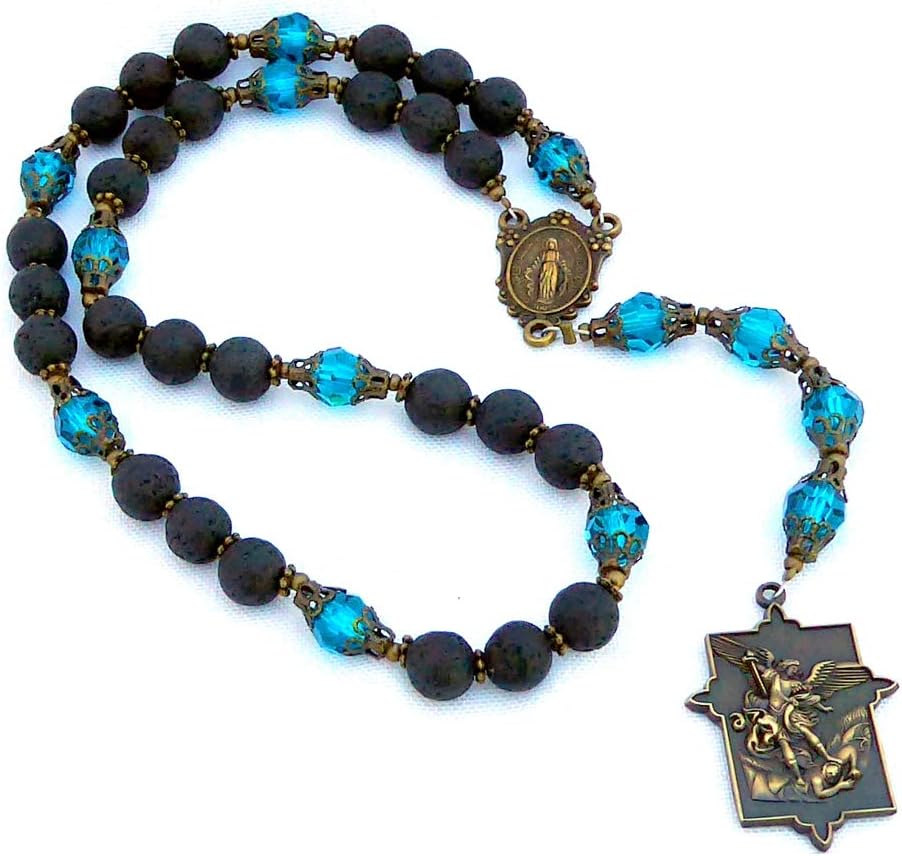
What Is the Infant of Prague Chaplet?
The Infant of Prague Chaplet is a specific set of beads used to honor the Child Jesus under the title of the Infant of Prague. Unlike a standard rosary, this chaplet is usually shorter and arranged in groups that guide a particular sequence of prayers. It is often prayed with intentions related to trust, family needs, work, and daily responsibilities, but it can accompany any intention you quietly carry.
Many Catholics keep an Infant of Prague statue or image in their homes to remember that the Lord understands our ordinary lives from the inside: childhood, family, and the smallness of everyday concerns. The chaplet simply gives our hands something gentle to do while our hearts speak honestly to God.
Over time, the Infant of Prague Chaplet can become familiar, almost like a well-worn path. You might begin it anxious or distracted and finish it feeling just a little more grounded, more willing to accept that you are held, even when you do not see how everything will work out.
Typical Features of an Infant of Prague Chaplet
Infant of Prague chaplets can differ in style, but most share a few common elements that make the devotion easy to pray:
- A medal or centerpiece of the Infant of Prague, often with a small image of the Child Jesus in royal garments.
- Beads in organized groups, usually arranged to match a particular prayer pattern (often 12 beads for the childhood years of Jesus, sometimes with additional beads).
- A small crucifix or cross at one end, for making the Sign of the Cross and beginning in a spirit of reverence.
- Durable cord or chain, so that the chaplet can be kept in a pocket, bag, or purse without easily breaking.
- Portable size, making it easy to hold discreetly in your hand while in a waiting room, on a walk, or during a lunch break.
Some chaplets use colors that echo the garments of the Infant of Prague statue—often red, white, gold, or royal tones. Others are very simple and understated. Either way, the value lies less in the appearance and more in how the beads help you slow down and pray.
How the Infant of Prague Chaplet Is Commonly Prayed
There are a few slightly different traditions for the Infant of Prague Chaplet, but most share a gentle rhythm. If you are new to this devotion, it can help to treat the chaplet as an invitation rather than an obligation. You can start small, learn at your own pace, and let the words settle into your memory over time.
A Simple Way to Pray the Chaplet
One common method looks something like this. You may adjust the language to your own voice, as long as you remain respectful and sincere.
- Begin with the Sign of the Cross, holding the crucifix, and pause for a moment of quiet to place yourself in God’s presence.
- On the crucifix, you may pray an Our Father, asking to receive this time of prayer with trust and humility.
- On the first bead after the cross, many people offer a short prayer of praise or a simple act of trust in the Child Jesus.
- On each of the following beads (often twelve, in honor of the childhood years of Jesus), pray a brief aspiration such as “Divine Infant Jesus, I trust in You,” or another reverent phrase of your choice.
- At the end of the chaplet, you can conclude with a short prayer of thanksgiving, even if you do not yet see an answer to your intention.
This structure is simple enough to memorize over time, but there is nothing wrong with keeping a small printed guide in your prayer book or phone until it becomes familiar. The most important thing is not perfect wording, but an honest heart.
Personally, I tend to pray the Infant of Prague Chaplet when I am walking alone or sitting in the car before picking up my children. The beads help me stay focused when my mind wants to run in circles. It reminds me that God sees the details of my schedule, my worries about finances, and the people I love.
Using the Infant of Prague Chaplet in Daily Life
The Infant of Prague Chaplet does not have to be reserved for big crises. It can be a quiet companion in the ordinary flow of your day. Because the chaplet is usually small, it slips easily into a pocket or bag and can become a simple way to turn spare moments into prayer.
Here are some ordinary ways Catholics often weave this chaplet into life:
- Before work – Taking five minutes in the morning to pray the chaplet, entrusting meetings, clients, or co-workers to the Lord.
- During stress about finances – Not to force an outcome, but to ask for peace, clarity, and the grace to be faithful in decisions.
- For family intentions – Quietly remembering children, grandchildren, or aging parents while moving through the beads.
- In waiting rooms or commutes – Using the chaplet as a way to redeem time that might otherwise be spent scrolling or worrying.
- Before bed – Letting the chaplet be a bridge between a noisy day and a more peaceful night.
I have often reached for my Infant of Prague Chaplet late at night, when I am tempted to lie awake going over every possible “what if.” The physical feel of the beads helps me stay grounded; the repeated prayer keeps me from drifting into anxiety. It does not erase my concerns, but it helps me hand them over, one by one.
Materials, Feel, and Durability
When looking at an Infant of Prague Chaplet, many people pay attention to the material and feel of the beads. This is not about luxury, but about practicality and reverence. Beads that are too slippery may slide quickly through your fingers; beads that are too rough can become distracting. Somewhere in the middle is usually best.
Common materials include glass, wood, acrylic, crystal-style beads, or even semi-precious stones. A simple chaplet made of sturdy beads can last for years if treated with reasonable care. Metal links or wire may feel more traditional, while corded chaplets can be gentle on the hands and less likely to snag in a pocket.

Durability is especially important if you plan to keep your Infant of Prague Chaplet in a purse, backpack, or car console. In those cases, it can help to choose a chaplet that looks sturdy rather than fragile, with links or cord that do not appear easily twisted. This is not about perfection, just about choosing something that will quietly serve your prayer over time.
Keeping the Chaplet in Your Prayer Corner
Many Catholic homes have a small prayer corner or shelf with a crucifix, a statue, or a few holy cards. The Infant of Prague Chaplet can rest there as a visible invitation to pray. Even seeing it in passing can be a gentle reminder to pause for a brief moment of trust.

Over time, a simple routine can grow naturally. You might touch the chaplet briefly in the morning before leaving the house, asking for help to live the day with patience and honesty. In the evening, you might pick it up again, remembering three or four situations from the day where you especially need to surrender control.
In my own home, I keep the Infant of Prague Chaplet beside a small candle and a picture of the Holy Family. When the house is finally quiet, lighting the candle and taking the chaplet into my hands has become a small ritual that tells my heart: it is time to let go, to listen, and to entrust.
Praying with Children and Loved Ones
Because the Infant of Prague presents Christ in His childhood, some families like to involve children in this devotion in a very simple way. The chaplet can help them learn to address Jesus as someone close to them, not distant or abstract.

If you pray the Infant of Prague Chaplet with children, you do not need to use complex formulas. A short refrain like “Little Jesus, be with us” or “Jesus, we trust You” can be enough. The goal is not to make them experts, but to plant a memory of praying together as a family in times of need and in times of gratitude.
Even with adults, the chaplet can be a gentle support during difficult seasons—illness, job loss, or relational strain. Sitting together, saying familiar words, and moving the beads slowly can communicate solidarity and quiet hope without long speeches.
A Few Personal Reflections on the Infant of Prague Chaplet
Over the years, the Infant of Prague Chaplet has become, for me, less about asking for specific outcomes and more about learning to live with open hands. At first, I reached for it almost only when I felt desperate—when bills were coming due, when a job application seemed uncertain, when someone I loved was struggling.

One evening, after a particularly heavy day, I remember kneeling at the side of my bed with the Infant of Prague Chaplet in my hand. As I moved slowly from bead to bead, I realized I was not only naming my worries; I was also remembering the ways God had been faithful in the past. The chaplet helped me notice that pattern: fear, prayer, quiet strength to keep going.
Since then, the Infant of Prague Chaplet has been a steady presence. I do not pray it every day, but when my heart feels pulled in many directions, it often calls to mind a child’s trust—simple, not naive, rooted in a relationship that has already carried me through many seasons.
Choosing an Infant of Prague Chaplet That Suits You
When considering an Infant of Prague Chaplet, it may help to think less in terms of appearance and more in terms of how you plan to use it. A more delicate chaplet might be best for a home prayer corner, while a sturdier one may be better suited for pockets, backpacks, or daily travel.

Some people prefer chaplets with smaller beads, easier to move discreetly while commuting or taking a walk. Others appreciate slightly larger beads that are more comfortable for older hands or those with joint pain. Neither is more “holy” than the other; it is simply a matter of what will let you pray with the least distraction.
You might also notice details such as the clarity of the Infant of Prague medal, the feel of the crucifix, or whether the overall style matches the way you like to pray—simple, ornate, colorful, or understated. These small choices can make it easier to reach for the chaplet naturally in daily life.
Carrying the Infant of Prague Chaplet with You
Many Catholics like to keep an Infant of Prague Chaplet nearby throughout the day. In a car console, it can become a reminder to pray briefly before starting a long drive. In a work desk drawer, it can be a quiet companion before or after a difficult conversation.

I have often kept my Infant of Prague Chaplet in a small side pocket of my bag. On days when I know I will be waiting in lines, sitting through long appointments, or facing challenging tasks, just feeling the chaplet nearby gives me a sense that I am not walking through the day alone.
In those situations, the chaplet is not a charm or a guarantee. It is simply a tangible reminder to bring whatever I am facing into conversation with God, with the quiet confidence that He sees the details I cannot manage on my own.
Caring for Your Infant of Prague Chaplet
Simple care can help an Infant of Prague Chaplet remain a faithful companion for years. Keeping it away from harsh chemicals, avoiding tugs on delicate links, and resting it gently after prayer are small acts of respect, both for the object and for the devotion it serves.

Some people like to keep their chaplet in a small pouch or box when not in use, especially if it is carried around regularly. Others drape it over a statue or frame it around a small picture of the Infant of Prague, so it is always close at hand and visually connected with prayer.
However you choose to care for it, let that care be a quiet sign of gratitude—for the prayers already prayed with those beads, and for the ones still to come.
Infant of Prague Chaplet – Frequently Asked Questions
No. A regular rosary usually has five decades (sets of ten beads) plus additional beads and is used for the Marian Rosary. The Infant of Prague Chaplet is typically shorter and arranged in a different pattern of beads, with prayers focused on the Child Jesus under the title of the Infant of Prague. Both are good ways to pray, but they serve different devotions.
The Church allows room for personal devotion in private prayer. While there are traditional ways to pray the Infant of Prague Chaplet, you may adapt the wording slightly, as long as you remain respectful and keep your heart directed toward God. If you are unsure, you can start with a commonly published format and grow from there.
You can always pray to the Infant of Prague using any set of beads—or even no beads at all. However, the Infant of Prague Chaplet is designed with a specific structure in mind. Using the dedicated chaplet can make it easier to follow the traditional pattern without counting or adjusting on your own.
Many people do turn to the Infant of Prague in times of financial strain or practical need, but the devotion is not limited to that. You can bring any intention to this chaplet—family issues, health, work, spiritual struggles, gratitude, or simple praise. At its heart, it is a way of placing your whole life into the hands of the Child Jesus.
There is no strict rule. Some Catholics pray it daily for a season, especially when facing a particular concern. Others return to it occasionally, when they feel drawn to this form of trust. You might begin by praying it once a week, or whenever you feel especially weighed down, and then see how it naturally fits into your spiritual life over time.