
A Peace Chaplet is a small, humble thing to hold, but it can become a steady companion in prayer. It is not magic, not a shortcut, and not a guarantee of anything. It is simply a set of beads that helps the heart slow down, breathe, and turn again toward the Lord with trust. Many people use it during quiet evenings, in the car, or in those in‑between moments when the mind is racing and sleep or work feels far away.
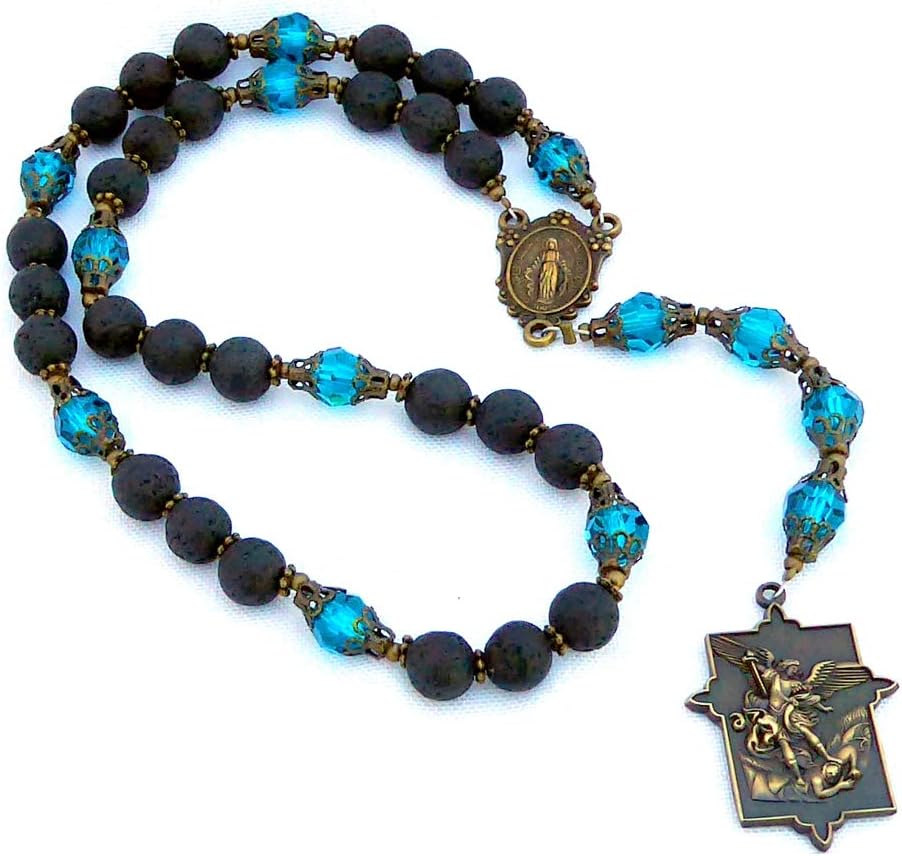
This page contains affiliate links. If you click and buy, I may earn a commission at no extra cost to you.
I first came across a Peace Chaplet on a stressful weekday, after a long stretch of worrying about work and family. My regular rosary had become familiar and comforting, but this particular chaplet, focused very simply on peace, felt like a quiet nudge from God: “Come and rest for a bit.” I did not feel anything dramatic. I just sat, held the beads, and whispered a short prayer on each one. It was enough for that evening.
What is a Peace Chaplet in everyday Catholic life?
In everyday Catholic life, a Peace Chaplet is a short set of beads used to focus on peace: peace in the heart, peace in the family, peace in the Church, and peace in the world. It may be inspired by traditional devotions, but it tends to be shorter and easier to complete in a busy schedule. Some people pray it in one sitting; others spread it through the day, one decade or section at a time.
It is close in spirit to the Catholic rosary, but often with a special emphasis on trusting God in times of anxiety and division. The prayers you use with a Peace Chaplet can vary: some follow a specific structure, others use simple repetitive phrases like “Jesus, I trust in You,” “Lord, let Your peace rest here,” or a short verse from Scripture that has become dear to you.
What matters most is not having the “perfect” formula, but showing up with a sincere heart. A Peace Chaplet can meet you where you are: in a hospital waiting room, on a park bench, in a quiet bedroom before the kids wake up, or in your car before a difficult conversation.
Holding a Peace Chaplet: slowing the mind and body
One of the quiet gifts of any chaplet is how physical it is. The beads give your fingers something gentle to do, which can help settle the mind. When I am restless or worried, I find that simply feeling each bead and naming a person or situation before God is more helpful than trying to force myself into some perfect, focused prayer.
A Peace Chaplet can support you when:
- Your thoughts keep circling around the same worries.
- You feel overwhelmed by conflict at home, at work, or online.
- You want to pray for peace in the world, but do not know where to start.
- You need a gentle routine to end the day in God’s presence.
- You long for a simple way to pray together as a family.
Often, the most honest prayer is simple: “Lord, You see. Lord, You know. I place this in Your hands.” A Peace Chaplet gives that simple prayer a rhythm. The beads do not change God’s love; they just help our own hearts stay with Him a little longer.
Ways to pray with a Peace Chaplet
There is no single “correct” way to use a Peace Chaplet, as long as you remain faithful to the Church and pray with humility. Different families and individuals gently adapt it to their needs. Here are a few ways people tend to use it in ordinary life:
1. Evening winding‑down prayer
Many people keep their Peace Chaplet on a nightstand. Before bed, they pick it up and slowly go through the beads, naming the events of the day. On each bead, you might recall a conversation, a worry, or a joy, and simply say, “Lord, let Your peace cover this.” It can be a way of placing the whole day into God’s hands instead of carrying it into your sleep.
I remember one particular night when a loved one was going through a difficult medical situation. My mind was spinning with “what if” thoughts. I took the Peace Chaplet, sat on the edge of my bed, and on each bead I quietly said the person’s name, followed by, “Jesus, stay close.” That did not remove the uncertainty, but it gently loosened the grip of fear and helped me rest.
2. Short prayer breaks during the day
Modern life is noisy and fast. A Peace Chaplet can become a small anchor you reach for during five‑ or ten‑minute breaks. Some people keep it in a pocket or a bag and use it during lunch, in a parked car, or before walking into a stressful meeting. One simple approach is:
- Begin with a Sign of the Cross and a short pause.
- On each bead, breathe in slowly, then breathe out a short prayer like “Lord, give me Your peace.”
- End with a moment of silence, letting that peace sink in as best you can.
These small pauses do not have to be dramatic. They are simply chances to remember that you are not alone in the middle of everything that needs to get done.
3. Praying for family and loved ones
Many Catholics like to dedicate each bead or group of beads to a person, a couple, or a situation that needs peace. Parents might quietly go through the chaplet, naming each child and grandchild. Spouses might sit together and pray for peace in their marriage, especially during a tense season. Friends might use it to hold specific names while asking God to bless broken relationships or long‑standing hurts.
I have found that when I pray the Peace Chaplet for family members, it softens my own heart as well. Even if the outward situation does not change quickly, I notice that I react with a little more patience and a little less irritation. The chaplet becomes a reminder that real peace often begins inside our own responses.
4. Quiet intercession for the world
News of wars, disasters, and conflicts can weigh heavily on the soul. A Peace Chaplet can be a gentle way to bring these heavy realities before God without being consumed by them. Some people choose a few places or communities to remember each day. On each bead, they hold a different place in mind and ask the Lord to pour His mercy and protection there.
This practice can keep us from falling into either indifference or despair. We cannot fix everything, but we can stay connected in prayer, offering our concerns and helplessness to the One who sees every suffering face.
Choosing a Peace Chaplet that suits you
When it comes to choosing a Peace Chaplet, it can help to think in practical terms rather than appearance alone. This is not about collecting religious objects. It is about finding something reverent, sturdy, and comfortable in your hands so you are encouraged to use it regularly.
Material and feel
Some chaplets use smooth wooden beads that feel warm and natural. Others use glass or stone, which can add a sense of weight and coolness in the fingers. There are also options with metal or acrylic beads that tend to be lighter and sometimes more durable for everyday carrying. The important thing is that the beads move smoothly and feel pleasant to touch.
If you are sensitive to textures, you might prefer slightly larger beads that are easier to grip. If you like to pray while walking or commuting, a smaller, lighter chaplet might fit better in a pocket or bag without tangling.
Durability and daily use
Over time, a Peace Chaplet can become a constant companion, which means it will be handled often. Pay attention to how the beads are strung, the sturdiness of the chain or cord, and how firmly any medals or crosses are attached. A well‑made chaplet can last for many years of daily or weekly use without breaking easily.
I once had a chaplet with very thin links that broke in my pocket after just a few weeks. It reminded me that a slightly stronger construction, even if it looks simple, often serves better for real life. A chaplet does not have to be fancy to be precious; it just needs to be reliable.
Design, medals, and symbols
Many Peace Chaplets include a small cross, a medal of Our Lady, or an image of a saint known for peace, such as St. Francis of Assisi. These details can quietly guide your prayer and remind you of particular virtues, like forgiveness, patience, or trust. Some people feel drawn to certain colors—soft blues, gentle whites, or earth tones—that they associate with calm and simplicity.
While appearance is secondary, it can still matter. If you find the chaplet beautiful in a quiet, modest way, you may be more inclined to keep it close and use it consistently. Beauty and prayer often support each other.
Integrating a Peace Chaplet into your prayer routine
A Peace Chaplet can fit into your spiritual life without replacing anything that already sustains you. It can sit alongside the Mass, the sacraments, Scripture, and traditional devotions. Here are a few natural ways to integrate it:
Before or after Mass
Some people arrive at church a few minutes early and quietly use their chaplet in the pew, praying for peace in the parish, the priest, and the wider Church. Others stay a bit after Mass and offer a short Peace Chaplet in thanksgiving, asking that the grace of the Eucharist extend into the coming week.
With Scripture or spiritual reading
If you already read a few verses of the Bible each day, you might choose a line that speaks of peace—perhaps from the Psalms or the words of Jesus—and repeat it on each bead. Over time, that verse can sink deeper into your memory and surface naturally when you are anxious or troubled.
With the family
A Peace Chaplet can be adapted for family prayer, especially with children who may find a full rosary too long at first. You might gather in the living room, light a candle, and go once through the chaplet, letting each person name someone or something to pray for. Even a five‑minute routine like this, repeated gently over time, can shape a home where prayer and peace feel normal and accessible.
In my own home, there was a season when we ended Sunday evenings with a brief Peace Chaplet together. Sometimes the kids were restless or distracted, but even then, those few moments offered a sense of “reset” before a new week began. No one was pressured to feel anything special; we simply placed the week ahead in God’s hands.