
St Dymphna Chaplet
Many Catholics quietly carry heavy burdens of anxiety, depression, or emotional pain. A St Dymphna Chaplet does not fix these struggles, but it can give your hands something simple and steady to do while your heart turns toward God and asks for help through the intercession of this gentle saint.
The St Dymphna Chaplet is a small set of beads that helps keep prayer focused and measured. It is usually prayed for those who live with mental or emotional illness, or who walk closely with a loved one facing these challenges. The prayers are short and simple, which can be comforting when the mind feels tired or crowded.
In my own life, there was a season when someone very close to me was going through deep anxiety and long, sleepless nights. I did not always know what to say or how to be helpful, but I could hold a St Dymphna Chaplet in my hands and quietly repeat the prayers, bead by bead. It did not remove the problem, yet it gave our nights a gentle rhythm of trust instead of only worry.
Who St. Dymphna Is, in Simple Words
St. Dymphna is known in Catholic tradition as a patron saint for those who live with mental and emotional struggles. Many people who deal with anxiety, depression, trauma, or inner wounds quietly turn to her for prayer. She is not a distant figure to them, but almost like a quiet friend who understands the weight they carry.
Her story, as you can read on the page about St. Dymphna, is marked by both suffering and courage. Because of that, a lot of Catholics feel that she “gets it” when life feels too heavy or confusing. Over the years, I’ve met people who keep a small image or chaplet of St. Dymphna tucked in a pocket, glove compartment, or beside the bed, simply because it reminds them they are not alone.
When you hold a St Dymphna Chaplet, you are not doing magic or looking for instant answers. You are simply choosing to place your worries, fears, and deep questions into God’s hands, asking for St. Dymphna’s prayers alongside your own. That quiet act of turning your heart to God, even when you do not feel particularly strong or holy, is already a real and honest prayer.
I have found that the chaplet also helps when I do not have many words. There are evenings when I feel weighed down by news of a friend who is struggling, or by my own scattered thoughts. On those nights, picking up the St Dymphna Chaplet and repeating the same short prayers gives me something steady to lean on, even while my emotions are messy and unclear.
How the St Dymphna Chaplet Fits into Daily Life
A St Dymphna Chaplet is small, which makes it easy to keep nearby in ordinary places: on a nightstand, in a work bag, in the car, or next to your favorite chair. It does not demand a long, formal prayer time. It is something you can reach for in short, quiet moments, especially on days when your mind feels fragile or tired.
Some people pray it first thing in the morning, asking for peace and steadiness before the day begins. Others keep it for evenings, when worry tends to grow louder. Parents sometimes use it when a son or daughter is facing therapy, medication changes, or a difficult diagnosis. The chaplet becomes a simple way to say, “Lord, I am here, and I am asking you to walk with us,” without needing fancy words.
Over time, these little moments of prayer can form a kind of gentle pattern in the day. Not a strict schedule, but a familiar habit. I remember a period when I kept my St Dymphna Chaplet in the console of the car. Whenever I parked in front of the office, I would pray just one or two short prayers before stepping out. It didn’t fix my stress, but it helped me remember that my workday, with all its worries and unknowns, was lived in God’s presence.
The chaplet can also be a quiet support alongside professional help. Many Catholics who see a therapist, take medications, or join support groups also like to have something concrete for prayer. The two do not compete. The chaplet simply holds a spiritual space in the middle of everything else that is needed.

Sometimes people feel unsure if they are “using it right.” It may help to remember that the heart of any chaplet is not technique but trust. Even if you lose your place on the beads or forget a specific wording, you can simply say, “Lord, you know what I am trying to pray. Please be with me, and may St. Dymphna pray for me too.” That sincere desire matters more than a perfect memory.
Understanding the Beads and Prayers
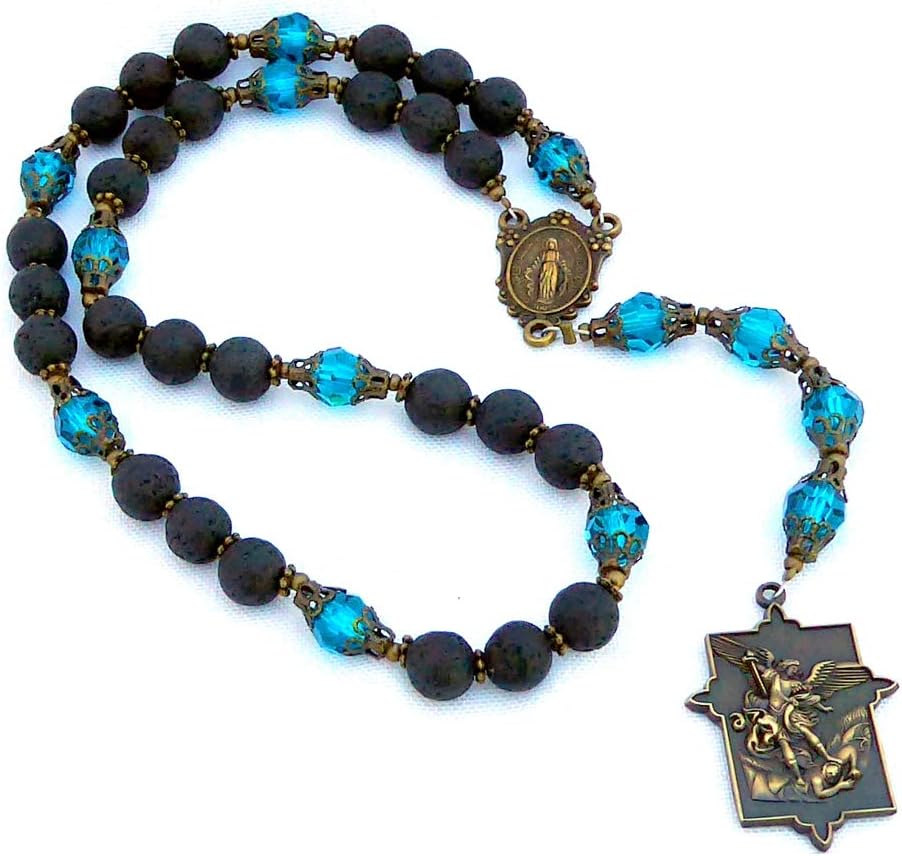
Different St Dymphna Chaplets can vary a little in design, but they usually follow a similar pattern: a medal or small image of St. Dymphna, followed by a short set of beads arranged for specific prayers. The sequence is not as long as a full rosary, which can make it easier to approach when you are mentally tired or emotionally overwhelmed.
A common pattern begins with an opening prayer asking God for peace of mind and heart, followed by several beads prayed in honor of St. Dymphna’s purity, courage, and compassion for those who suffer. Some versions include short lines to Jesus, asking for mercy and healing. Others add prayers for family members, caregivers, or medical professionals who walk closely with those experiencing mental illness.
When I first began praying the St Dymphna Chaplet, I kept a small printed card with the prayers in my Bible. For a while I needed to glance at it often, but within a few weeks the pattern began to sink in. Even then, I sometimes changed the wording slightly, adding the names of specific people or situations that weighed on my heart. The chaplet did not feel rigid; it felt like a gentle guide for my own words.
If you are new to chaplets, it may help not to pressure yourself. You might start by praying just a portion of the chaplet each day. You could hold the medal, say one or two short prayers, and then sit quietly for a moment before going back to your tasks. Even that simple use can slowly build a habit of turning your mind toward God in the middle of hard days.

Design, Materials, and Quiet Symbolism
Because a St Dymphna Chaplet is a physical object that you hold and use, its design and materials can matter in a gentle way. Many chaplets include green beads, which are sometimes associated with hope and renewal. Others add clear or white beads as a reminder of light in the middle of darkness. The medal often shows St. Dymphna holding a palm branch or a book, signs of both her martyrdom and her faith.
Some people prefer smooth glass beads that glide easily through the fingers. Others like the feel of natural stone, with its subtle variations and cool weight. Metal parts can be silver or bronze toned, sometimes with little details like flowers or crosses. None of this is required for the prayer to “work,” but these small choices can make the chaplet feel more personal and inviting.
I personally found that having a chaplet that felt sturdy made a difference. I did not want something fragile that I would be afraid to carry with me or keep in a pocket. When life feels shaky, it is a quiet comfort to hold something that feels solid and simple in the hand, something that can handle being used day after day.
If you are thinking of offering a St Dymphna Chaplet as a gift, it may help to pay attention to the person’s tastes. Someone who appreciates subtle, understated things might prefer muted colors and a small medal. Another person might draw comfort from a brighter design, with colors that gently suggest hope and new beginnings.

Over time, a chaplet usually begins to carry its own quiet history. The beads might remind you of nights spent in worry, doctors’ visits, long talks in the car, or moments of unexpected peace. It becomes less an object to admire and more a companion that has been with you through very real seasons of life.

Praying for Loved Ones with Mental Illness
Many people are drawn to the St Dymphna Chaplet not for themselves, but for someone they love. A spouse fighting depression, a child with anxiety, an aging parent facing confusion or memory loss—these situations can leave us feeling powerless and unsure what to do. Prayer does not erase that helplessness, but it gives us a way to stand beside our loved one in a deeper way.
When I pray the St Dymphna Chaplet for someone close to me, I sometimes picture placing them gently into God’s hands, bead by bead. On each prayer, I may quietly say their name, or remember a specific worry: a tough appointment, a difficult conversation, a long wait for results. Doing this does not solve the problem, but it keeps my heart connected to both God and the person I love, without carrying the weight all on my own.
The chaplet can also be a way of praying for caregivers: parents, spouses, friends, therapists, and medical teams. Mental illness often affects a whole circle of people, each doing their best to understand and support. Including them in the prayers brings a wider sense of compassion into the chaplet, acknowledging that others are tired and in need of strength as well.
If you share your faith with the person you are praying for, you might quietly tell them that you are using the St Dymphna Chaplet for them. Some will be grateful to know; others may prefer that your prayer stays more private. Both reactions are understandable. The chaplet is there to support love, not to push anything on someone who is not ready.
In times when words feel clumsy, simply sitting near the person you love, with the chaplet in your pocket or hand, can be its own quiet prayer. You may not say anything aloud, but your presence, joined with the soft rhythm of the beads, can be a humble way of asking God to be present in that room, in that moment.

More than once, during especially hard weeks, I have found myself waking in the night with a heavy heart. Reaching for the St Dymphna Chaplet in the dark, I do not always manage all the prayers. But even a few beads, prayed half-awake and unsure, have helped me feel that I am not facing the night alone.

Caring for Your Chaplet and Keeping It in Use
A St Dymphna Chaplet is meant to be used, not just admired. Over time, beads may show a gentle wear, and metal parts might darken a bit. Many people find that this makes the chaplet more meaningful, like a well-read Bible or a favorite prayer book with worn pages.
To keep it in good shape, you can simply treat it with basic care. Try not to tug too hard on the chain. If the beads get dusty or pick up oil from your hands, a soft cloth can gently clean them. Some people keep their chaplet in a small pouch or case when not in use, especially if it is often in a bag or pocket with keys and other items.
Where you place the chaplet can also help you remember to pray with it. Keeping it on a nightstand, beside a lamp or a simple cross, may invite a short prayer before sleep. Hanging it near the door you use most often can nudge you to say a quick prayer before leaving home. Placing it near your favorite chair can make it easy to reach for when you sit down after a long day.

For me, the most important “care” is simply to keep using it. There have been stretches when my St Dymphna Chaplet sat untouched for weeks, hidden under books or mail. When I would finally see it again, it felt like a quiet invitation to start over, without guilt or pressure, and just begin with one small prayer.