
St Philomena Chaplet
Many Catholics in the United States quietly keep a St Philomena Chaplet in a pocket, purse, or on a bedside table. It is a small, simple way of remembering that God is close even when life feels scattered. The chaplet itself is only a set of beads and a medal, yet over time it can become familiar in the hand, like an old friend that reminds us to turn our hearts toward prayer.
Saint Philomena is often associated with hidden, steadfast courage. Her story, preserved in the traditions of the Church and remembered by many ordinary believers, points to a young girl who trusted God in silence and strength. When I first began praying with a St Philomena Chaplet, I did not expect anything special. I simply needed something concrete to hold during a difficult season, something small that fit in my coat pocket as I walked and prayed quietly on my way to work.
Over time, that simple chaplet helped me form a gentle routine: a few beads prayed slowly in the car before going inside the house, a decade-like rhythm said on a lunch break, or a brief moment of prayer before turning off the light at night. Nothing dramatic, nothing showy, just a steady reminder that faith can rest in small, repeated actions.
 I want to hold this
This page is meant to accompany you in understanding how a St Philomena Chaplet can fit into ordinary Catholic life: in the middle of work, family, worries, and hopes. It is not about collecting religious items, but about letting one simple object gently support your desire to pray with intention and quiet trust.
Who Is Saint Philomena in Everyday Faith?
Saint Philomena is often described as a young virgin martyr whose relics were discovered in the Catacombs of Priscilla in the early nineteenth century. Her story spread quickly in the hearts of ordinary believers, even before scholars understood every detail of her life. Many Catholics simply grew to love her as a quiet, strong friend in heaven who understands hidden struggles and silent prayers.
If you are curious about her historical background, you can find more on Philomena’s page, but for most of us, our connection with her grows less from reading and more from living: from those evenings when we are too tired to say many words, yet still want to offer our day to God with the help of a saint who has walked a hard path before us.
In my own life, I first heard of Saint Philomena in a small parish where an older woman quietly handed me a prayer card and said, “She has helped me through a lot.” There was no explanation, no pressure, just a simple sharing of trust. A few months later, I found a St Philomena Chaplet and began praying with it during a time of uncertainty about work and family decisions. The chaplet did not magically solve anything, but it helped keep me steady, asking for the grace to stay faithful and patient.
The chaplet can be a gentle way to invite Saint Philomena into your everyday concerns: the decisions you carry, the children or grandchildren you think about, the health worries that come and go, the private difficulties that few people see. Holding her chaplet, we remember that God notices even small acts of faith.
What Makes a St Philomena Chaplet Distinctive?
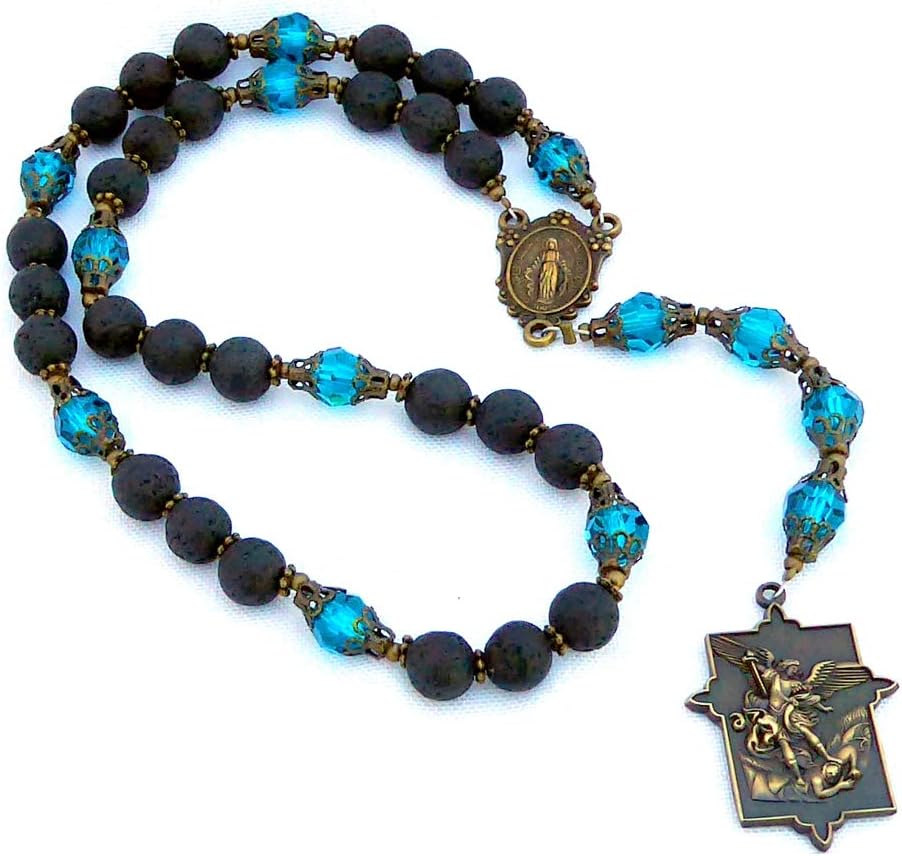
A St Philomena Chaplet is not the same as a standard five-decade rosary, although some people pray it in a similar meditative way. Many versions of this chaplet include three small groups of beads, often symbolizing the theological virtues of faith, hope, and charity, along with additional beads and a medal bearing Saint Philomena’s image. The layout can vary slightly, but the overall purpose is the same: to guide the heart gently into prayer through touch and repetition.
When you learn to use your chaplet, you might find a traditional set of prayers written specifically for Saint Philomena, or you might choose familiar prayers such as the Our Father, Hail Mary, and Glory Be. Some people also like to add their own brief intentions before each group of beads—simple phrases like “For my family,” “For those who are sick,” or “For greater trust.” The chaplet leaves space for this kind of personal adaptation.
From a practical point of view, a St Philomena Chaplet is usually smaller than a full rosary, which can make it easy to keep nearby. Mine has traveled with me in backpacks, coat pockets, and even inside a work bag. More than once, I have caught myself reaching for it almost without thinking when I was anxious about a meeting or a difficult conversation. The feel of the beads alone can be enough to remind me to exhale, to slow down, and to whisper a short prayer.

Over the years, small scratches on the medal and gentle wear on the beads can even become a kind of personal history, marking the moments when the chaplet has accompanied you through worry, gratitude, or silent waiting. It does not need to look perfect to be precious. Often, it is the simple, well-used items that carry the deepest memories of prayer.
Praying with the St Philomena Chaplet in Daily Life
The beauty of a St Philomena Chaplet is that it can be used in many different settings without drawing attention. Unlike longer devotions that might require more time and focus, this chaplet can easily fit into small pockets of the day. Here are a few ways Catholics often weave it into a normal routine.
1. A Quiet Start to the Morning
Some people like to keep their chaplet on a nightstand, offering a short prayer before checking their phone or starting the morning rush. You might simply pick it up, kiss the medal in reverence, and slowly pray through one or two sections of beads, asking for grace to live this particular day with patience and peace. When I do this, I often think of Saint Philomena as a younger sister in the faith, someone who faced her own challenges with quiet courage.

2. In the Middle of a Busy Day
Lunch breaks, parked cars, waiting rooms, and quiet corners of the office can all become small prayer spaces. A St Philomena Chaplet slips easily into the palm. You can pray slowly and silently without anyone noticing, moving from bead to bead as you breathe and bring specific intentions to God. On difficult days at work, I have found relief in simply holding the chaplet in my hand under the desk, silently repeating “Jesus, I trust in You” or another short prayer, while asking Saint Philomena to intercede for wisdom and calm.
3. Evening Winding Down
At night, when your mind is full of the day’s conversations, worries, and unfinished tasks, the chaplet can help you gently release those things into God’s hands. Some Catholics like to pair the St Philomena Chaplet with a brief examen of conscience: recalling where they saw God’s presence, where they struggled, and where they need forgiveness and strength. It does not need to be formal or lengthy—just honest. The physical movement of the beads can help gather scattered thoughts into prayer.

4. Carrying Others in Prayer
Many Catholics use their St Philomena Chaplet to remember specific people who have asked for prayer: family members going through surgery, friends facing job loss, loved ones far from the Church, or anyone weighed down by grief. You might choose to dedicate one small group of beads to one person, slowly repeating a simple prayer for them. I have often found that praying in this way brings a sense of closeness, even when physical distance or circumstances keep us apart.
One evening, I remember sitting in a hospital parking lot, nervous about visiting a relative in serious condition. I reached into my pocket and found my chaplet. Instead of anxiously rehearsing what I would say, I quietly prayed a few beads, naming that person before God and asking Saint Philomena to pray with me. Nothing about the situation suddenly changed, but I walked into the hospital with a little more peace and a clearer heart.
Caring for Your St Philomena Chaplet
A chaplet is not a fragile museum piece; it is meant to be used. Still, a few simple habits can help it last and keep its appearance respectful. Keeping it in a small pouch or dedicated pocket in your bag can protect it from tangling with keys or other sharp objects. If you wear it around your wrist or attach it to a bag, try to check the links occasionally to make sure nothing is loosening.
If the metal begins to tarnish or darken, a gentle polishing cloth made for jewelry is usually enough to brighten it again without harsh chemicals. Be cautious about soaking it in water, especially if the medal contains colored images or if the beads are made of natural materials like wood or stone. A soft, dry cloth can wipe away dust or fingerprints easily.

Some people like to have their St Philomena Chaplet blessed by a priest, treating it with the same care and reverence they give to a rosary or scapular. If you choose to do that, it can be nice to keep the chaplet somewhere that reminds you of its purpose: near a crucifix, beside a favorite prayer card, or in a small home prayer corner. That way, even when you are not actively praying, its presence can quietly draw your thoughts toward God.
Over years of use, I have had chaplets break or wear out. When that happens, I try not to see it as a loss, but as a sign that the beads really were prayed with and carried through everyday life. If a St Philomena Chaplet eventually needs to be replaced, it is often a sign that many prayers have passed through those beads already.
Gifting a St Philomena Chaplet
Giving someone a St Philomena Chaplet can be a gentle way of saying, “I am praying with you.” It is especially meaningful when someone is facing a situation where there are no easy answers: long-term illness, complicated relationships, struggles with faith, or quiet grief. Instead of offering quick solutions, the chaplet offers companionship in prayer.
When offering a chaplet as a gift, it can help to include a small handwritten note explaining who Saint Philomena is to you and how you usually pray with the beads. You might even offer to pray the chaplet together once, either in person or over the phone, so that the person does not feel intimidated or unsure about how to use it. Even a short, simple prayer together can be very moving.

I once gave a St Philomena Chaplet to a friend who was quietly going through a difficult legal situation. She did not talk about it much, but I knew it weighed heavily on her. Months later, she told me that she kept the chaplet in her car and would hold it whenever she had to drive to meetings connected to that situation. She said it did not take away the stress, but it helped her remember that she was not alone.
That is often how these small sacramentals work in real life: not by changing circumstances instantly, but by helping us stay rooted in faith while we walk through them.
St Philomena Chaplet – Questions & Answers
1. How do I start using a St Philomena Chaplet if I am new to it?
You do not need to memorize everything at once. A simple way to begin is to find a short set of prayers associated with Saint Philomena—often available on prayer cards or reputable Catholic websites—and follow them slowly, bead by bead. You might start by praying the chaplet once a week, or even just one section of it at a time. Allow yourself to grow into it gradually, without pressure. The most important thing is the desire to pray with sincerity, not getting every detail perfect.
2. Is it okay to adapt the prayers on the chaplet to my own intentions?
Many Catholics do this in a simple, respectful way. The chaplet’s basic structure can stay the same, while you quietly add personal intentions before or during the prayers. For example, you might dedicate one group of beads to your family, one to those who are sick, and one to your own deeper conversion of heart. As long as the intention is sincere and in harmony with the faith, it is natural to let the chaplet hold the real concerns on your heart.
3. Can I pray the St Philomena Chaplet together with the rosary?
Yes, many people weave different devotions into their daily or weekly rhythm. Some prefer to pray the rosary on certain days and the St Philomena Chaplet on others. Others begin with the rosary and then add the chaplet as a shorter, focused prayer for a specific intention. You do not have to choose one or the other permanently. Over time, you may find a pattern that fits naturally with your schedule and spiritual needs.
4. What if I get distracted while praying the chaplet?
Distractions are a normal part of prayer for almost everyone. When your mind wanders, you can gently come back to the words you were saying, or simply hold the bead and tell the Lord honestly what is on your mind. Sometimes, the very thoughts that distract us can become material for prayer: worries about family, tasks at work, or personal struggles. You can place those on the beads and continue, asking Saint Philomena to pray with you in your weakness and fatigue.
5. Is a St Philomena Chaplet only for people with serious problems?
No. While many people turn to Saint Philomena in moments of great need, the chaplet can be part of ordinary, everyday faith as well. You might pray it in gratitude, in quiet joy, or simply as a way of staying close to God through the intercession of a saint you have come to love. It can be as present in peaceful seasons as in painful ones. Over the years, the chaplet becomes a companion not only in crisis, but in the simple, steady walk of daily life.
Living Faith Quietly with the St Philomena Chaplet
In a world that often values noise, speed, and visible results, the quiet use of a St Philomena Chaplet can feel almost hidden. Yet that hiddenness is part of its grace. The chaplet invites us to trust that God is at work in the small, unseen choices we make: choosing to pray instead of worrying, to trust instead of despairing, to lift our hearts upward even when we do not feel particularly holy or strong.
For many ordinary Catholics, including myself, the chaplet has become a kind of anchor on restless days. I have prayed it while walking around the block at night after a long day, while sitting alone in a parked car, and while waiting for test results. In each of those moments, the beads in my hands reminded me that faith is something lived one prayer at a time, often in weakness, always in hope.

If you choose to keep a St Philomena Chaplet with you, it does not need to change your whole spiritual life overnight. It can simply become one more way of staying turned toward God throughout the day, of asking for help when words are hard to find, of remembering that you are not alone. Over months and years, those small acts of turning can shape a heart that looks to God in both joy and struggle.

If you feel drawn to keep a small reminder of Saint Philomena’s quiet courage close at hand, you can look at the different styles and designs of chaplets available online and choose the one that best fits how you pray.
Show me more options