
When people ask, what is a chaplet rosary, I usually think back to when I first slipped a small string of beads into my pocket before work. It was not a big decision. I did not fully understand the devotion it represented. I just knew I wanted something simple I could hold when my mind was scattered and my heart felt restless. A chaplet rosary is exactly that: a focused set of beads, often dedicated to a particular mystery, saint, or way of praying, meant to walk with you through ordinary days.
This page contains affiliate links. If you click and buy, I may earn a commission at no extra cost to you.
Let me look closerUnderstanding what a chaplet rosary really is
If you are familiar with the traditional Marian rosary, a chaplet feels both similar and different. The word “chaplet” can refer to many kinds of devotional beads in the Church’s life. Some chaplets honor the Sacred Heart, some focus on the Divine Mercy, others remember particular saints or mysteries. Each has its own pattern of prayers, but they all share a common heart: to help us turn our thoughts gently toward God in the middle of everything else we carry.
A chaplet rosary is usually shorter than a full five-decade rosary. That makes it easier to pray during a lunch break, a walk around the block, or a few quiet minutes in the car before going into an appointment. It is not meant to replace the traditional rosary; it simply offers another doorway into prayer, shaped around a specific devotion that speaks to a person’s life and struggles.
Over time, these small beads begin to hold memories. I can still remember days when my chaplet was in my hand on the train, when I whispered prayers for a sick relative, or when I sat on a park bench trying to sort through a difficult decision. The beads did not give me answers, but they gave my hands something to do while I tried to listen.
Chaplet rosary vs traditional rosary
Many Catholics first learn to pray with the standard five-decade rosary. That rosary has a familiar structure: the Apostles’ Creed, Our Father, Hail Marys, and so on, moving through the Joyful, Sorrowful, Glorious, or Luminous mysteries. A chaplet rosary keeps the idea of using beads for repeated prayer, but the layout of the beads and the actual prayers can be different.
Some chaplets still use Hail Marys and Our Fathers, but in different numbers and groupings. Others use brief invocations, such as “Jesus, I trust in You,” or “Sacred Heart of Jesus, have mercy on us.” A few chaplets carry a different set of meditations on each bead, helping you reflect on particular events or aspects of the faith. A simple example is the chaplet prayer beads tradition, which shows how varied these devotions can be while still being very grounded and ordinary.
So, what is a chaplet rosary in daily life? It is like a smaller doorway into prayer for days when you feel tired, distracted, or overwhelmed. You may not feel able to walk through the whole structure of the full rosary, but you can manage ten or fifteen minutes with a smaller chaplet that still keeps you close to God.
A chaplet for the commute or lunch break
My first real experience praying a chaplet rosary regularly began when my commute got longer. I felt uneasy about the noise and anxiety around me. I started carrying a small chaplet in my coat pocket. Sometimes I would pray only a part of it during one ride and finish on the way home. Other days, I simply held the crucifix or the first bead, quietly repeating a short prayer when I could not find any other words.

That is one of the quiet strengths of a chaplet rosary. It does not demand that you complete it in one sitting. You can return to it throughout the day, picking up where you left off. For those of us who juggle work, family, and many responsibilities, that flexibility can be a real help.
Different types of chaplet rosaries
When you look around, you might notice how many kinds of chaplet rosaries exist. Some of the more familiar ones include:
- Divine Mercy chaplet, often prayed on regular rosary beads but with its own prayers focused on trust in God’s mercy.
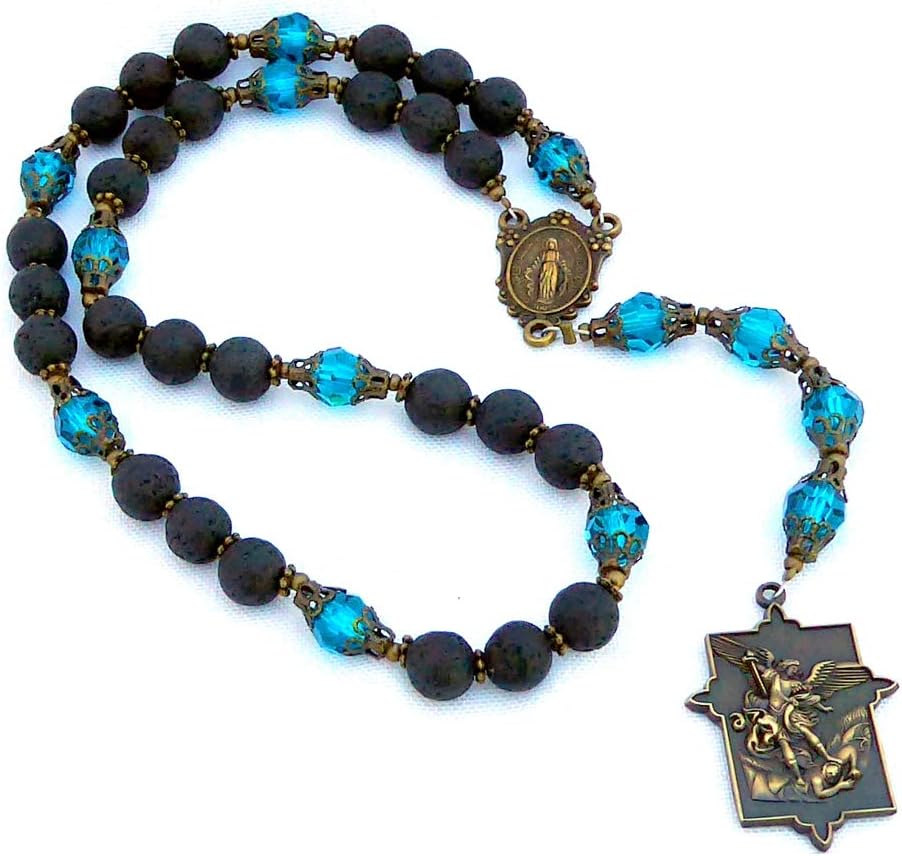
- Chaplets honoring saints, like Saint Michael, Saint Joseph, Saint Jude, or a patron saint close to your heart.
- Chaplets for particular mysteries, such as the Seven Sorrows of Mary, which invite slow reflection on the sorrows she knew.
- Short one-decade chaplets with ten beads and a crucifix or medal, simple enough to keep in a pocket or bag.
All of these, in different ways, answer the question of what is a chaplet rosary. It is not a magic object or a lucky charm. It is a small, structured way to remember that God is present in the middle of very real joys and worries.
Chaplet rosaries in the home
In our house, chaplet rosaries tend to appear in quiet corners. One rests on the nightstand. Another hangs near the front door, where keys and bags collect. Sometimes I find one left on the arm of the couch after someone in the family has been praying in the evening. None of this is planned or scripted. It is simply how these small devotions weave themselves into everyday spaces.

Over time, the chaplets we keep around the house become linked with particular seasons of life. One reminds me of a time of uncertainty at work. Another brings back memories of late-night prayers for a sick relative. When I pick them up again, I remember how God stayed close even when I did not feel very strong or prayerful.
Materials, style, and quiet durability
Chaplet rosaries come in many materials: wood, glass, stone, metal, cord, and combinations of these. Some are very simple, others more ornate. When I think about choosing a chaplet for myself or for someone I care about, I tend to ask a few practical questions:
- Will it hold up to being carried in a pocket or bag?
- Is it comfortable to hold between my fingers?
- Does it invite me to pray, or does it feel distracting?
There is no single right answer. Some people are drawn to smooth wooden beads that warm in the hand. Others appreciate the gentle weight of stone or glass, or the strength of well-made metal chains. What matters most is that the chaplet fits your own way of living and praying.
A chaplet rosary that travels well
I once had a very delicate chaplet that was beautiful, but the chain links opened too easily in my pocket. After losing a few beads, I realized that, for daily use, I needed something sturdier. That experience taught me that a chaplet rosary meant for travel or workdays benefits from good construction—strong wire, secure connections, and beads that do not crack if they are jostled in a bag.

When considering what is a chaplet rosary that suits your life, it can help to imagine where you are most likely to use it. Is it for your bedside? For a quiet chair by the window? For the car or the office? A chaplet that hangs on the wall might serve as a visual reminder more than something you carry, while a small, sturdy one can live in a pocket every day.
Daily rhythms with a chaplet
A chaplet rosary can slip naturally into different moments of the day without drawing attention to itself. Some people like to begin their mornings with a brief chaplet before the rest of the house wakes up. Others turn to it in the late afternoon when energy dips and worries pile up. Even a shorter chaplet, prayed slowly, can bring a little structure to time that might otherwise feel scattered.
One habit that helped me was keeping a chaplet next to my work computer. On particularly stressful days, I would pause for a couple of minutes, close my eyes, and move my fingers along a few beads while repeating a simple prayer. It did not change my workload, but it changed how I carried it, reminding me that I was not left alone in it.
Chaplets as quiet gifts
Sometimes, when a friend is going through a hard time, I find myself thinking not just about what to say, but what might quietly accompany them in the weeks ahead. A chaplet rosary, given gently and without pressure, can be that kind of companion. It does not fix anything on its own, and it should never feel like a demand. But it can offer a tangible way for someone to reach out to God when they feel they have no words.

When I have given chaplet rosaries to others, I usually include a simple note explaining the basic prayers and then leave the rest in their hands. Everyone has to find their own way of using these beads, in their own time. Sometimes the chaplet gets tucked into a drawer for months before being rediscovered during a difficult night. That is all right. These devotions can wait patiently.
Learning to pray with a chaplet rosary
For anyone still asking, what is a chaplet rosary in terms of how to use it, the first step is usually very simple: learn the specific pattern of prayers for that chaplet. Many chaplets come with a small card or booklet. If not, instructions are easy to find in reliable Catholic resources. Once you know the pattern, you do not have to pray it perfectly or quickly. It is better to pray slowly and honestly than to rush through the beads just to finish.
When I was just starting, I often stumbled over the order of prayers or forgot what came next. Instead of getting frustrated, I tried to remember that the point was not to perform correctly, but to turn my heart toward God with the help of this simple structure. Over time, the rhythm became more natural, like a well-worn path I could walk in the dark.
Chaplets in times of worry and waiting
Some of my clearest memories of praying a chaplet rosary come from hospital waiting rooms and late evenings when news was uncertain. In those places, words often feel thin. Holding a chaplet and repeating familiar prayers can bring a small sense of steadiness. It does not erase fear or sadness, but it gives them a place to go, bead by bead, as you place them gently in God’s hands.

In those seasons, a chaplet sometimes becomes worn more quickly. The finish on the beads may fade. The metal may darken a bit. I have come to see that as a quiet record of the prayers it has carried. Instead of replacing it right away, I often keep it, even if I later begin using another chaplet day to day. Both carry their own stories.
Keeping a chaplet close to the heart
Another way a chaplet rosary can find its place in life is as something worn or carried close to the heart. Some chaplets have a small ring or clip that allows them to be attached discreetly to a bag or key ring. Others are small enough to tuck into a wallet or the pocket of a jacket you wear often. Knowing that it is there can be enough to prompt a short, quiet prayer in the middle of the day.

When I reflect on what is a chaplet rosary for me personally, it is less a tool I use and more a gentle reminder that prayer does not have to be complicated. Even on days when I feel tired, distracted, or discouraged, the chaplet gives me a way to show up before God as I am, without many words, simply moving from bead to bead in trust.
For seasons of gratitude as well
Chaplet rosaries are not only for times of struggle. There have been seasons in my life when I turned to a chaplet mainly out of gratitude—after a long-awaited answer to prayer, or during a peaceful stretch when family life felt particularly close and united. In those times, the beads became a way of saying thank you, slowly, with intention. Joy, too, can be gathered bead by bead.

However you approach it, a chaplet rosary is patient. Some days you may pray the entire devotion. Other days you might only manage a few beads before you are interrupted. That is all right. What matters is the small, honest turning of the heart, again and again, sometimes with words and sometimes with silence.
If you still find yourself wondering, in a very practical way, what is a chaplet rosary for my life, you might simply start by choosing one that feels comfortable in your hand and trying to pray with it for a few minutes each day. Over time, you will notice how it naturally fits, or does not fit, into your routine. The journey with these beads is gentle and personal, and it can unfold quietly over months and years.
See more chaplets